

There are moments that you build up in your mind for so long that, when they finally come, there is no way they could ever live up to whatever your idea of them was.
I remember reading trans people’s depressed accounts of not feeling “different” post-transition – it’s not that transition wasn’t a powerful and necessary process for them, but that after years and years of yearning for something that seemed impossible, they expected to feel fundamentally different once they had “crossed the threshold”. But the truth is, even after the process is over, you are still you. You may not have been previously recognized, or been allowed to fully express yourself, but the core person that you are has always been there. Any changes that have occurred along the way throughout the process will have been so gradually built up that they will be almost imperceptible to you, even if they have all built up to be something quite great.

On this past Saturday, I finally had my black belt test in Karate.
I have been training in martial arts for 25 years, and for over 20 of those years I’ve had my brown belt (the rank typically below black belt) in Shotokan Karate. I took martial arts training with the seriousness of a neurodivergent transfemme desperately trying to fill the bottomless pit in my heart with anything other than admitting the terrifying truth about my gender. But despite my rigorous training, and the incredibly harsh treatment I put upon my poor, tender, adolescent queer heart, I never felt “good enough”. My body never looked ‘right’, and my skills and physical abilities were never high-enough level. I was a fat kid, and martial arts training helped me to lose weight… culminating in me picking up an eating disorder in my later teens, that was itself only “addressed” by taking up bodybuilding.
In retrospect, it’s so obvious that this was an expression of unaddressed dysphoria, but at the time, I just felt like a perpetual failure – an underlying sense that I can see I have carried with me on some level ever since, even after transitioning. You become so used to feeling bad, that it becomes definitional to your sense of self. You and anything that comes from you, is, by default, not as good as somebody else.
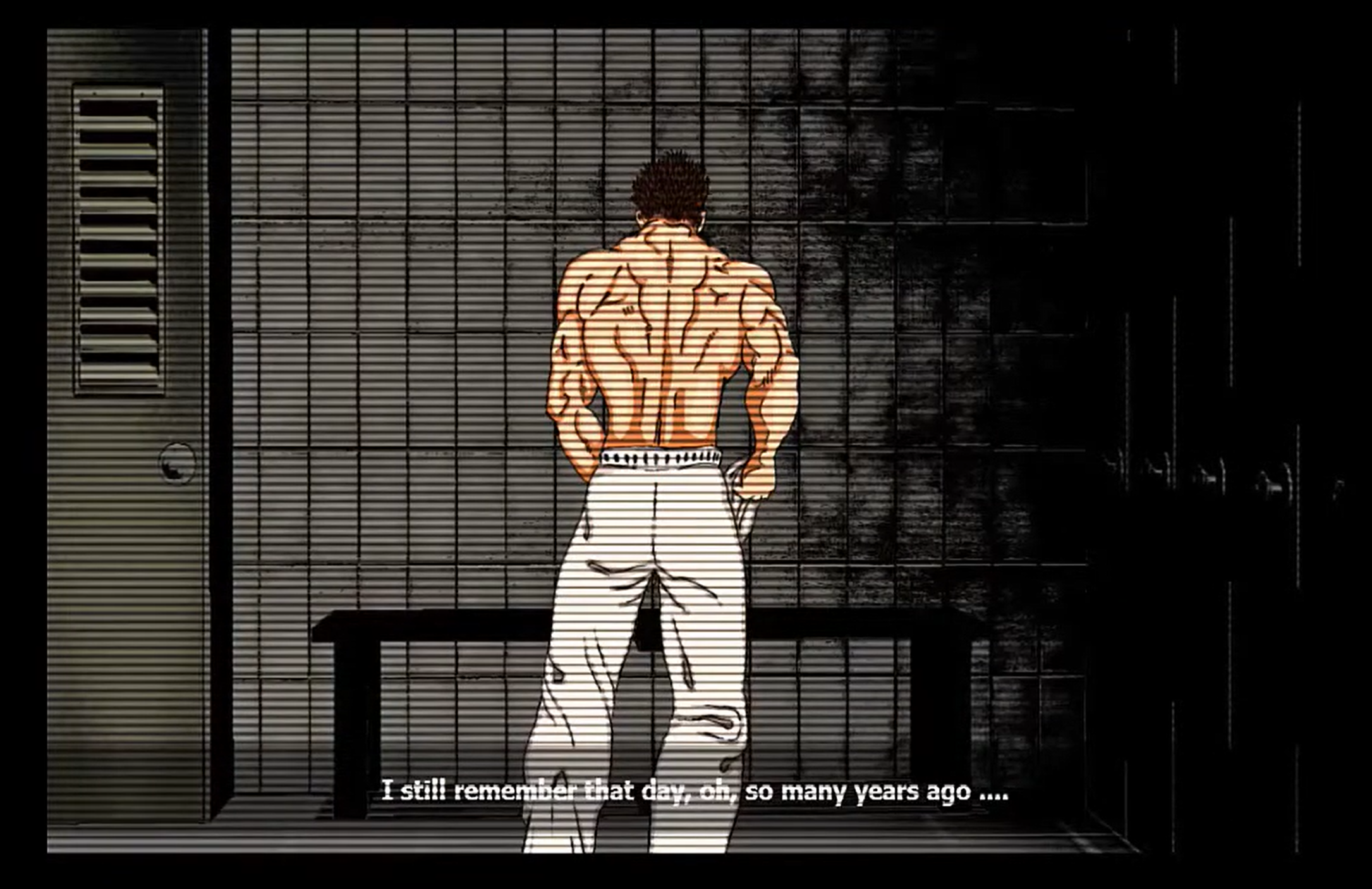
I was ready for my black belt when I was 18. All I did was train – I didn’t go out, I didn’t see much of my friends, and dating was absolutely out of the question. All I cared about was training. But as the date of when my test would be approached, I got word that the curriculum was being changed. Trying to be humble, and not wanting to mess up on what I certainly would have viewed as the most important moment of my life up until that point, I decided not to test at that time, but I did go to the seminar at which the belt tests were being held, as would be necessary if I wanted to test later on. That’s how it works; you go to a seminar to train with the senior instructors, and if they approve, then six months later you can go to another seminar and test.
I went to the seminar and saw that the curriculum had been changed to something easier than what I had been practicing – it was more akin to what I had just done for my brown belt previously a few years before. I also saw that there were people testing for their Shodan (1st level black belt) and even their Nidan (2nd level) that I felt were not as good as I was. Whether or not this was actually the case, it is hard to say 20 years later – in my experience, teenagers often have an inflated sense of their abilities, and a sense of time and scale that lacks the perspective only age and experience can give. But nonetheless, this was a supremely disillusioning experience.
While I didn’t give up on martial arts as a whole, I did have reinforced in my mind my teenage sense that authorities were not to be trusted and institutional titles and recognition were largely meaningless.
I went away to university, and while I did continue to train on my own and with friends, I didn’t bother pursuing any kind of organized training with a dojo or put any thought to testing for a black belt I wasn’t even sure I believed in anymore. But everywhere I went, once my deep interest in martial arts inevitably came up, I would get the question of “What belt are you?“, and I would have to tell the above story that I quickly came to loathe having to tell people.
Worse still, I would frequently encounter people who would respond with something like “Oh neat! I got my 2nd degree black belt in Taekwondo when I was 12!” I don’t want to shade Taekwondo, because it actually has a very cool origin based in anti-imperialist resistance against the Japanese occupation of Korea, and there are many Taekwondo practitioners today with incredible skills, but modern Taekwondo has an even worse reputation than Karate for giving out black belts far too easily (any black belt you get at 12 really can’t be worth much). It would take all of my restraint to not undercut these people by telling them their black belts don’t mean jack shit, as I knew I would largely be just taking my own frustration and inadequacy out on them. It hurt seeing so many people have something so easily that I felt I couldn’t have myself.

Five years later, I graduated university (another meaningless title I didn’t really care about) and moved back home with my girlfriend to fix up an old sailboat. During that time, my old Karate teacher encouraged me to test for my Shodan, and since I was in even better physical shape with a much higher degree of ability than I was at 18, and, more importantly, I was so sick of telling the story of “why I don’t have my black belt“, I jumped into training with the goal of testing. I got approval to test from the local senior instructor and went to the next town over to train with him on a regular basis. As the date of the test approached, I started to experience a collection of symptoms, including severe (and I mean SEVERE) back pain at night. Despite their painfulness, the test was important enough to me that I shrugged the symptoms off as over-training and resolved to properly address them if they continued after the test.
The night before the test, my mom, my girlfriend, and I drove to the town it would be in and got a hotel room. But on the morning the seminar was to begin, I was informed by a very sheepish senior instructor that, after talking it over with the other senior instructors, they decided that I should have to wait for the next seminar in six months time, since I hadn’t technically done the whole “go to a seminar, and then test at the next one six months later”. I wanted to be humble, and not act entitled, so I swallowed my disappointment and continued with the seminar, resolved to finally test at the appointed time.
The thing is, those symptoms I had shrugged off as over-training, it turned out they were stage-IV cancer. The back pain? That was the cancer splitting my vertebrae apart from the inside!
The next year of my life revolved around a new challenge; battling cancer. I kept up what training I could, as the medical evidence showed that moderate exercise during cancer treatment improves treatment outcomes and quality of life. I got through lengthy chemo infusions and MRI scans by meditating – visualizing myself performing katas (patterns of movements that make up the curriculum of Karate) or defeating an impossible foe, such as my sensei. I had to go through four different treatment protocols over the course of a little over a year – 6 months of one type of chemotherapy, 3 months of another (worse) type of chemo, a bone marrow transplant (which involves a MASSIVE dose of chemo), and then a month of radiation. My strength and muscularity helped me to handle higher doses of chemo, so as soon as a treatment protocol was completed, I would immediately begin training to build myself back up in preparation for the next treatment. After all the treatments were complete, since there was no guarantee that my cancer was defeated for good, I set into training as hard as I could, achieving higher levels of physical ability than I ever had before.
During the course of dealing with cancer, I finally began grappling with my trans feelings – almost dying has a way of making you re-evaluate your life. In that time, I was on the verge of transitioning on more than one occasion, but it wasn’t until after moving to Thailand after beating cancer that I made the decision to finally go through with it.
I remember one night, riding my bicycle home across Phuket island after my regular Muay Thai training. Muay Thai is the kickboxing tradition of Thailand and it is the most respected striking-based martial arts discipline in modern combat sports due to the high amount of sparring and competition that has shaped the style’s techniques and training methods, keeping the style “live” and un-abstracted, unlike the way much of modern Karate has become. I learned so much about martial arts in my time in Thailand, and I loved the training I received at a community-oriented/non-tourist gym from my personal coach – who seemed hopeful that I might consider competing in the future. There are few better feelings than riding your bike home in the warm evening air after an exhilarating training session, but on my ride, I found myself trying out my female vocal practices I had engaged in during my previous furtive attempts at transition. I figured I had moved past such “frivolous” things, and I practically tried them out as proof of that. But I found in them an even more exciting joy than kicking pads in a grimy boxing ring with a private coach. Here I found myself in a beautiful place, with a cool job, in the best shape of my life, after just having beaten stage IV cancer – I should have been on top of the world, and yet, I still wasn’t happy. The choice was terrifying, but obvious.
Those next few years saw me training in a new way – trying to alleviate dysphoria and shape my body into a more ‘feminine’ form by melting away my hard-won muscles through lengthy cardio sessions performed on an empty stomach. This training, too, included martial arts, which took on a much greater relevance to me now that I was presenting as a woman, and as trans – one of the most hated minority groups in society.

I once again was presented with an opportunity to test for my Shodan, this time by my friend and head instructor at Kumakai – two of his students were preparing for their Shodans and he thought it might be nice if I finally did mine, too. I thought about it, but in addition to my previous experiences with testing, the experience of coming out as trans and challenging the patriarchal order of our society via snarky webcomics really had me in a mindset of not caring about authorities and institutions. So declined my friend’s offer, and largely turned my back on martial arts outside of occasional, casual workouts on my own for the next few years. As far as I was concerned, the #1 threat to my health was dysphoria, so I was mainly interested in training that would help alleviate that.
It wasn’t until 2021, when I was promoting my graphic novel, Coming Out Again, on a live-stream where I did some Karate moves, that I once again realized how important martial arts were to me. I trained for several months after that, in preparation to make a silly Power Rangers video that I had hoped might lead to some kind of Youtube career of building puppets and doing Karate moves. While I got into incredible shape, not too long after, I experienced increasing total body joint and muscle pain, stiffness, and numbness. I’ve written before about how I think this was caused by a combination of my stressful work as an online creator, returning to training after a period of relative inactivity, and going on ADHD medication known for causing muscle clenching and stiffness. But as simple of an explanation as that was, it wasn’t an easy process to reverse it. For a time, the pain and stiffness would only continue to get worse – I couldn’t even hold a pencil without pain – and I really thought that my life as I knew it was over.
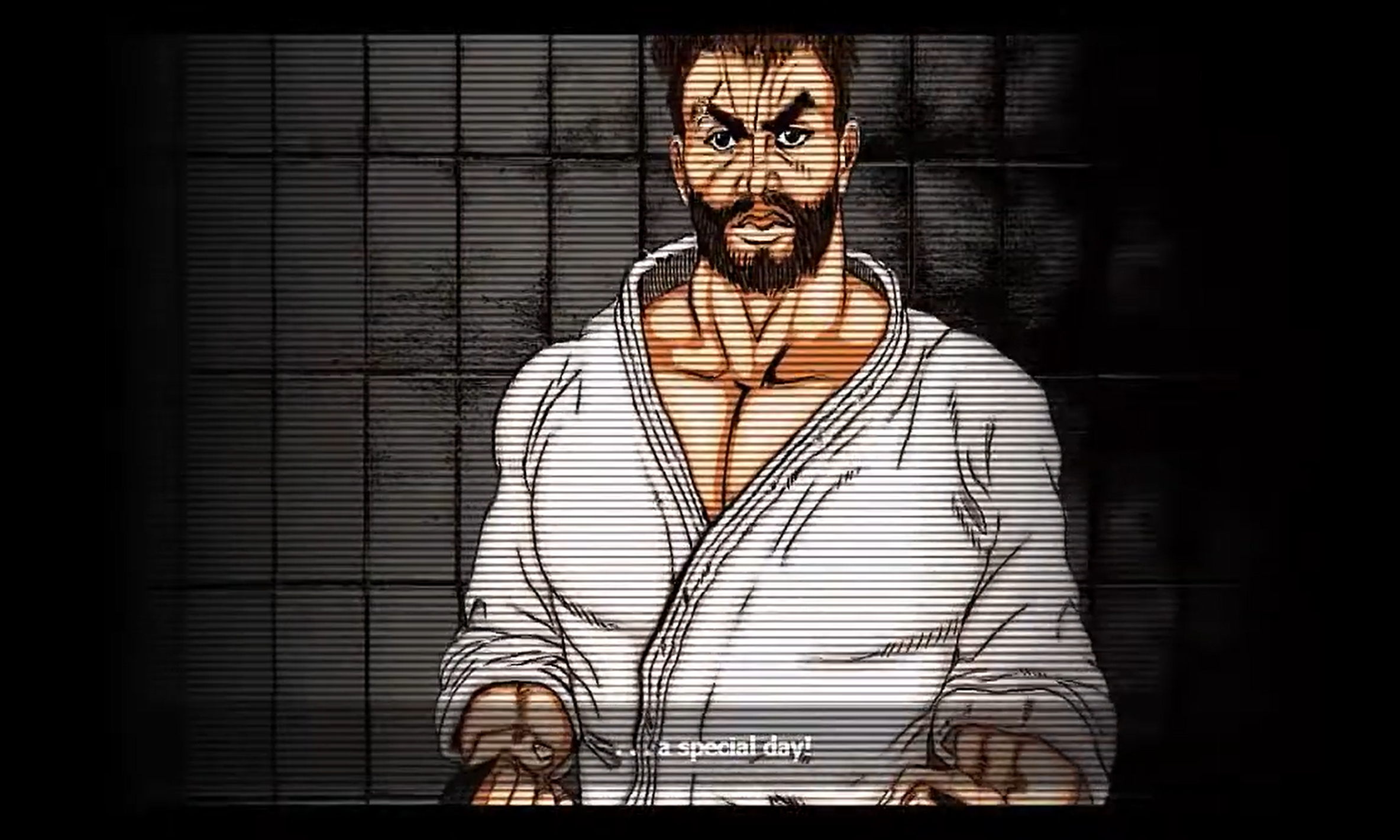
One day, my partner wanted to cheer me up, so she put on Karate Combat, the current, most well-rounded full-contact striking-based league in combat sports. I was so inspired by what I saw that I remembered how I used to be – strong and vital. I missed the old me and didn’t want her to just wither away without a fight. I began doing just a little bit of training every day – 10 squats when I brushed my teeth, maybe a few kicks and punches during a Karate Combat match, before the pain would become too much.
I acted in a play near the end of 2022 – In My Day, which was about the AIDS crisis in 1980’s Vancouver. Working with this heavy material every day required something to ground me, so I started doing Karate on my lunch breaks, and before too long, also in the evening after rehearsal. The training built up more and more, the joint pain reduced, and my fitness improved, until about a year later, my friend, the head instructor at Kumakai, asked me if I would be interested in teaching with the club. They had taken over a large club out at UBC that would require more instructors to adequately cover all the students and give them the necessary amount of attention required for them to grow and progress. Early on in this process I decided that I would like to finally try testing for my Shodan, as I knew that having someone at the club training for their black belt would bring up the energy in class and help inspire and motivate the students.
But these things take time, even when they’ve already been a long time coming. It took a year and a half more of training to polish my skills – I had forgotten nearly all of my katas, and after training in Thailand and then so many years of more informal training on my own or in small groups, my way of moving was more like a kickboxer or Muay Thai fighter, which is fine, but not exactly what might be looked for on a Karate back belt test.
I gave myself many tests and challenges along the way. Punching out a candle. Punching a hole in a newspaper. Breaking boards. Repeatedly shoving my fingers into a bag of rice, then beans, then rocks. My Sumo wrestling training I’ve engaged in this year is also part of the test – Karate finds its roots in Shima, traditional Okinawan wrestling that is almost identical to Sumo, and I really feel this training has massively improved my fighting ability as well as my understanding of Karate. Probably about 3/4 of movements in katas are, in fact, wrestling moves, rather than strikes.

But then finally, after all of these years of struggles, tests, and training, I finally got my chance to test this past Saturday.
I really didn’t feel I was at my best. I was all banged up from Sumo training, which held my usually powerful kicks back in particular, and after the seminar was over, it became clear to me that my house guest staying with me that week had given me some kind of minor cold. I wasn’t able to do many things I had hoped I would be able to do on or before the test – my full side splits haven’t quite returned to where they were when I was younger, I haven’t worked up the courage to break four boards yet like I had planned to in my training (I really didn’t want to hurt my hand right before the test), and my best friend and usual sparring partner has been out of commission for the past several weeks with a back injury, so my sparring ability was not nearly as sharp as I had hoped it would be. But I knew I had to go into the test letting go of perfectionism. I needed to let go of my self-doubt and that sense that anything that comes from me is definitionally no good.
Despite whatever shortcomings I might feel I have in terms of my own high standards, I can say that I didn’t choke under pressure. I kept my composure and performed as well as I possibly could have.
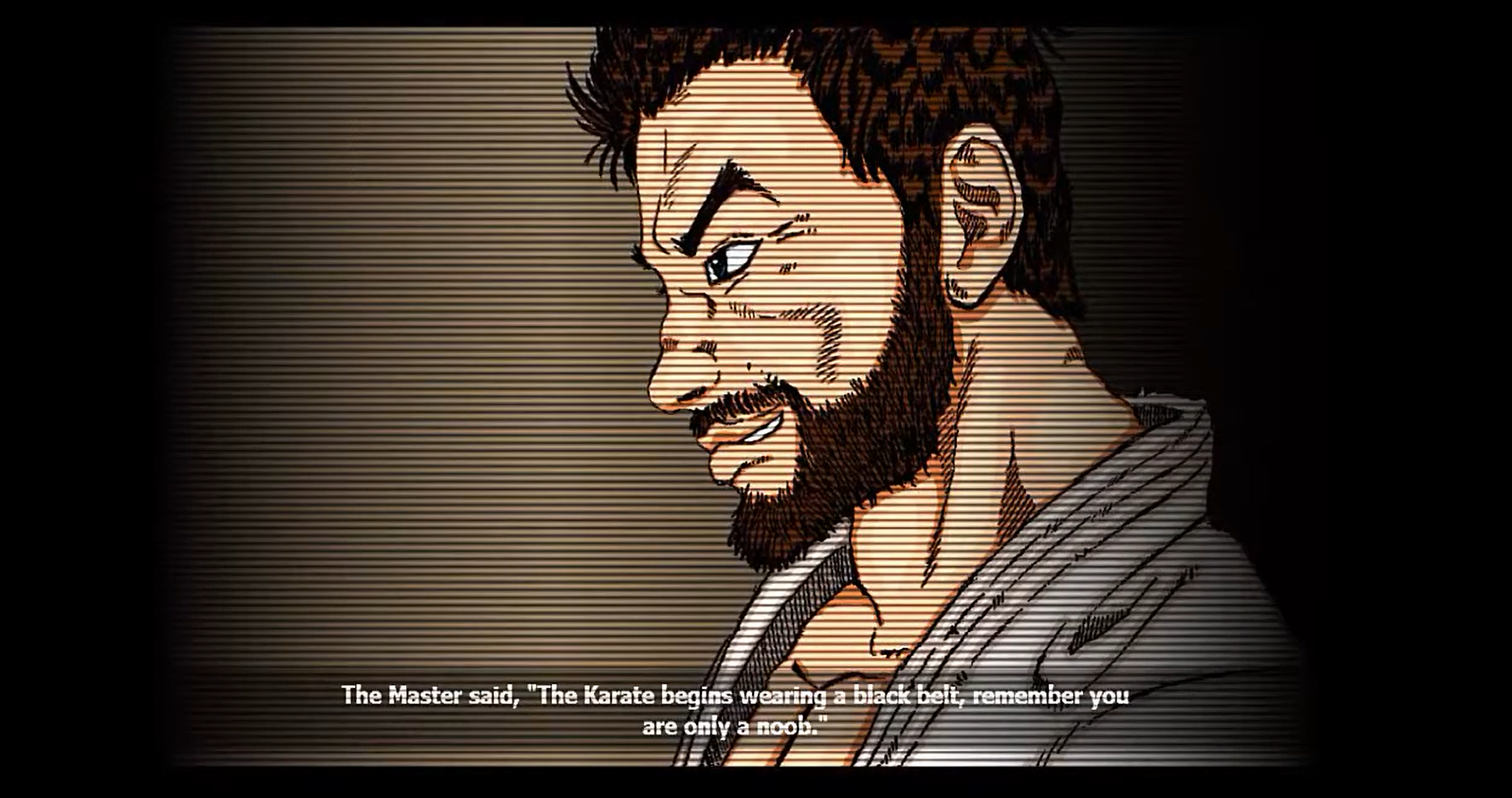
Typically, a black belt represents that the student knows the basics of the style, and now the real training can begin. But this black belt, that has been so long coming for me, is so much more than that.
As I opened this piece with, this moment couldn’t really ever live up to all that pressure of 20 years of struggle and training. Did I really deserve this? Had I really trained enough in the last few months to polish everything up? Were my friends and colleagues just being nice to me when they signed the document awarding me my black belt? This same doubt has plagued me in everything I’ve done for most of my life. But while I felt these things briefly after receiving my belt, I definitely have felt a shift in myself. I feel as though a deep wound has been healed.
I told myself for years that I didn’t care about institutions, or titles, or recognition by authorities, but it is clear to me that I have been carrying a shame and stigma around ever since my teens. Much like transition, as long as this was unresolved, I was always going to be held back in life. As long as I had this hanging over my head, I was always going to, on some level, feel like I was no good, and that I couldn’t trust others.
While we shouldn’t define ourselves by the views of others, which we have no control over, being seen and recognized for who we are is vital to feeling safe and connected within our communities. I’ve carried anger around with me for 20 years towards those institutions who gate-kept me from being recognized. But much like how my relationship with cancer has changed from one of antagonism with the illness that nearly killed me, to gratitude to the crisis that caused me to re-evaluate my life and come out as trans, my feelings after this weekend have shifted from anger at being held back for 20 years, to gratitude that I got to receive my black belt (and the certificate for it, which carries my name) as my true self.
If I had gotten my black belt 20 years ago, it might have just been one more burden from my old life I wanted to be rid of. But now this time I got to be tested not by a cadre of old men who, frankly, I don’t have much respect for, but instead by my peers, all of whom I respect, admire, and love. This black belt means far more than any black belt that I could have gotten in my teens. I might view such a black belt today the same way I view those black belts given to 12 year olds. On my test, I even got to teach a real, bonafide Karate Combat fighter a thing or two about kata – he came up to me and asked me to teach him!
So what now?
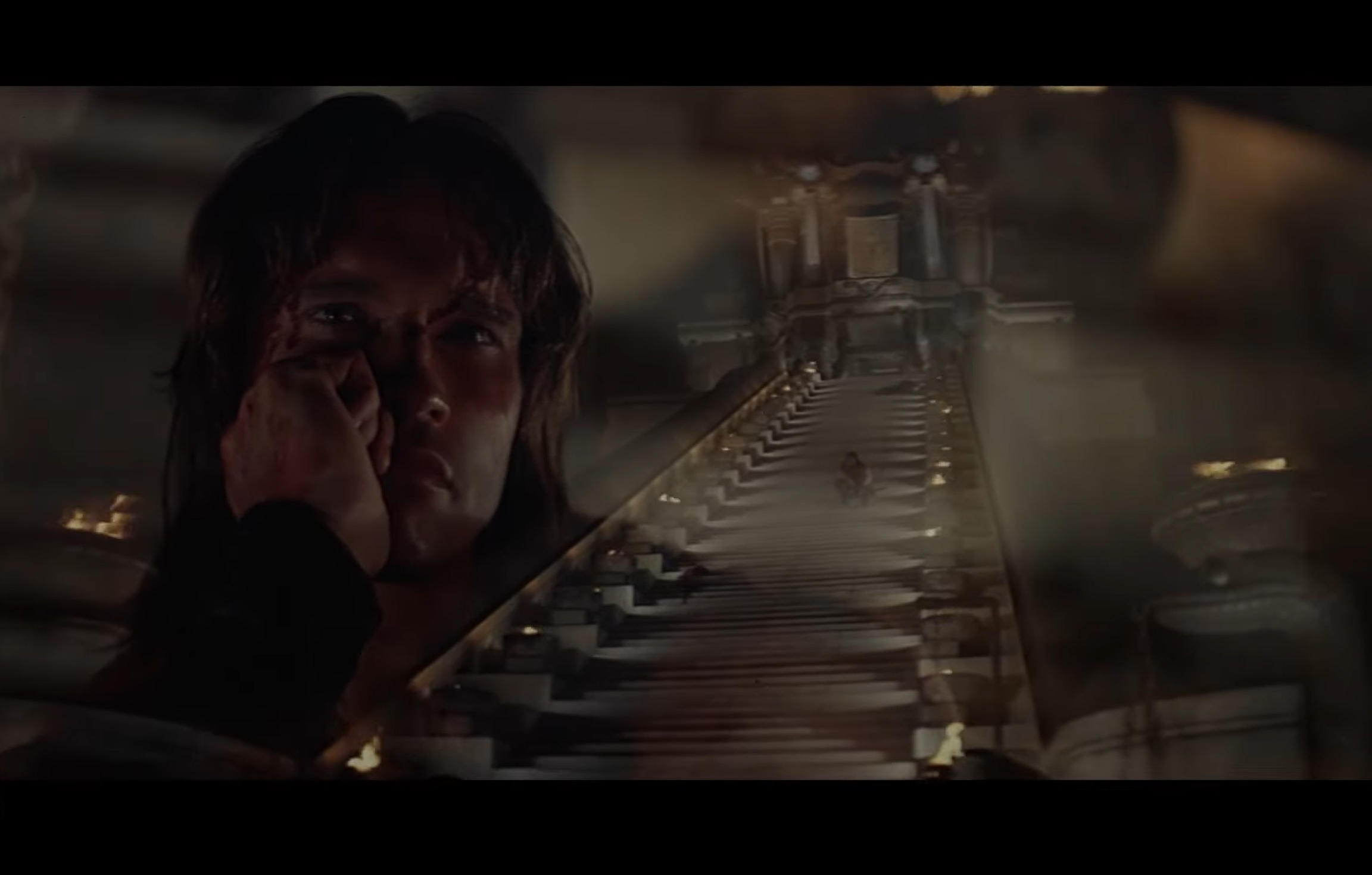
For the second time in my life, I once again find myself feeling like that transfemme icon, Conan the Barbarian, after having completed the lifelong quest of vengeance that consumed and defined him, sitting on the steps of Thulsa Doom’s temple contemplating what he will be now that it is over. This test has occupied my mind on some level for decades, and the past several months in particular have been completely consumed by training. On days off from training I practically don’t know who I am.
I have no intention of stopping training, even as I know I have to return to doing other things in life (when was the last time you saw new art from me?), but the question remains: what for?
Well, first of all, I still have one more challenge on the horizon that I consider to be the final part of my black belt – the secret last boss to this period of training that comes only after you’ve completed the main game’s story (and only if you did it correctly).
The Powell Street Sumo Wrestling Competition is less than a week away as of my writing this, and I have signed up to compete in the “Competitive” bracket. I have no idea what to expect. My understanding is that some pretty powerful competitors sometimes show up to Powell Street, but you never know who actually will. If I’m being honest, I’ve been training harder for Powell street than I did for my Shodan – partially because of the excitement of live competition, and partially because my wrestling coach has recently been disrespected by his dojo to the point of him publicly resigning from the club. I feel so angry on his behalf and I want to win to show to these fools just what an incredible teacher they have so carelessly spurned!
I go back and forth about my chances of winning – there are some pretty big, strong, experienced grapplers out there. But I did win my last competition fairly easily, and I’ve been doing well in training, so… who knows? While, yes, I want to win for my coach and I want to prove that after all these years of training I might actually know something, the point of competing isn’t to win, it’s simply to do it. We have these life experiences and we take them seriously and sincerely simply for the sake of having a full and meaningful life. Whatever happens, the process of preparing for Powell Street has made my Karate stronger and my black belt more meaningful.

But beyond that, I had a new idea knocked into my head during my test. The final challenge on the test was a Bogu round with our head instructor. Bogu simply refers to protective gear, and historically has mostly been used in reference to the armour worn by Kendo practitioners. But sometime in the 1980’s, the Kyokushin Karate off-shoot, Daidojuku Karate, began using a form of bogu helmet to allow for full-contact strikes to the head while minimizing CTE, the bane of modern MMA fighters. In the 90’s, Daidojuku changed its name to Kudo (Karate + Judo), and while it still hasn’t received widespread popularity in the West due to the prevalence of MMA, it is massively popular in Russia and Japan, and it has become a robust and vibrant competition circuit that allows the martial artist to test themself in a full-contact environment with some amount of consideration for long-term health. There are people competing in Kudo into their 70’s!
I had a hell of a time fighting in that bogu round. Because of the space helmet protective gear, headbutts are allowed in Kudo, and so when Kyle headbutted me during our match, I headbutted him right back! The next day, my neck was sore from taking hard punches to the head, but I went to sleep that night with images and sensations from our fight swirling in my mind. Our club, Kumakai, is currently moving to become the primary Kudo representative on the West Coast in Canada, and I could easily see myself training to compete in Kudo in the very near future!
Like I said with Powell Street, competing isn’t for the sake of competing. It’s to test ourselves and have life experiences that make us stronger. The world is swiftly becoming a scarier place than it seemed to be a few years ago. I want to be able to use my many years of martial arts training to protect myself and my community, and to pass on those lessons that I learned from martial arts which allowed me to stand strong in myself and find out who I really am. Competition in something like Kudo is just the thing to test my skills and show myself that what I might teach the next generation of Transgender Karate-ka is actually based in something real, rather than the “because I said so” of some old man gatekeeping martial arts.
Which brings me to the final next thing on the horizon for me in the martial arts. Starting Monday, August 11th, I will be teaching Queer and Trans Karate classes at 6:30 PM at the 221a Arts Association on 825 Pacific Street in Vancouver.
No experience is needed, classes are free, and are open to anyone who self-identifies as trans or queer.
Martial arts is who I am, and I am beyond excited to being this next chapter in my journey, sharing my skills and experience with my community, which I can now fully feel like I can be seen by and participate within.
Hope to see you there!
 Life of Bria